

Last updated on May 20th, 2026 at 08:33 am

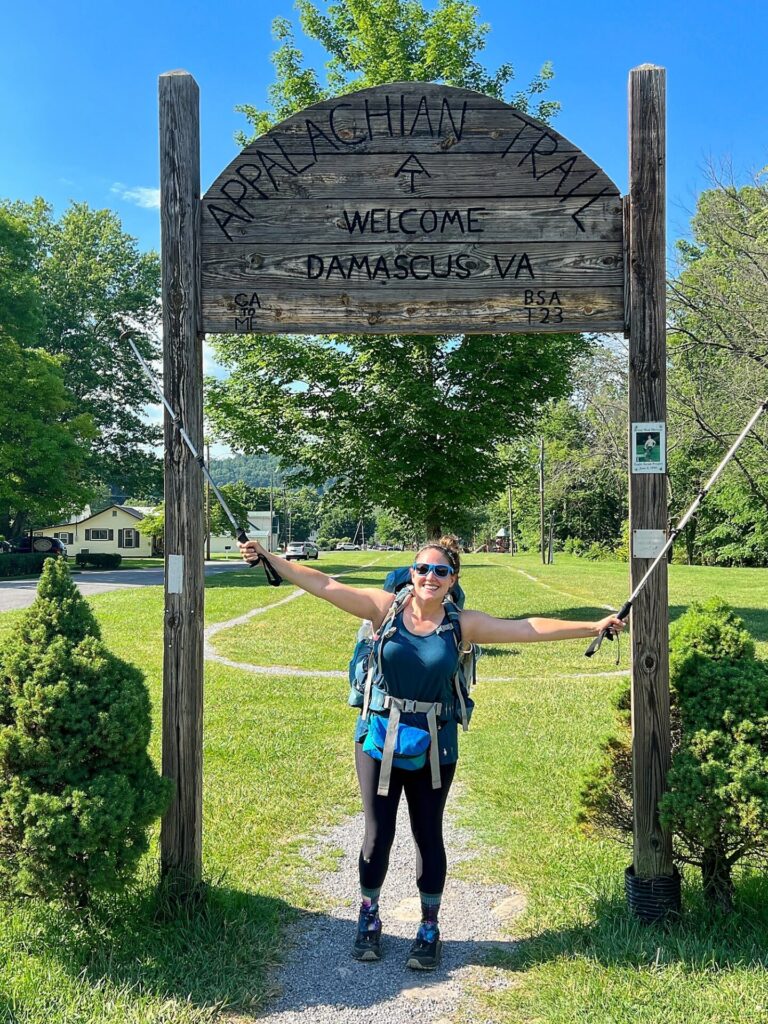
Hi, I’m Cindy, a lifelong hiking enthusiast eager to share what I’ve learned on the trails. My husband and I spent three years traveling full-time in an RV, hiking across the U.S., and later completed a thru-hike of the Appalachian Trail.
If you’ve ever wondered what to wear hiking, you’re not alone! Before our thru-hike, my hiking outfit was simple: leggings or shorts, an athletic top, and Keen boots; and to be honest, this is a combo that will work great for many hikers.
However, preparing for our thru-hike led me to research hiking attire in greater depth. Pack space is limited, and every item you carry matters.
I found myself asking: What should I wear to stay comfortable, prepared, and in a good mindset for the long haul? Figuring it all out took plenty of trial and error to determine what was most effective and comfortable in each season of our AT thru-hike, especially when it came to footwear.
This guide is everything I learned along the way. Whether you’re heading out for a day hike or planning a big adventure, I’ll help you feel comfortable, confident, and prepared, without sacrificing your personal style.
Because when you’re miles from civilization, what you wear really matters: from unpredictable weather to sun, cold, wind, animal encounters, bugs, and the unexpected. The good news? You don’t need a massive wardrobe, just the right pieces.
Let me show you that being practical in your approach doesn’t mean you have to sacrifice looking your best.
NOTE: Planning an Appalachian Trail thru-hike? I have a dedicated guide to what to wear on the AT based on 32 weeks on the trail.
What to Wear Hiking (Quick Planning Guide)
Use this based on your weather:
☀️ Hot (70°F+):
T-shirt or sun hoodie + shorts + trail runners
🌤️ Mild (50–70°F):
Base layer + light fleece + leggings/pants
🥶 Cold (below 50°F):
Thermal base + fleece + insulated jacket + gloves
🌧️ Rain:
Waterproof jacket + quick-drying fabrics + extra socks
The Art of Layering: Building a Versatile Hiking Wardrobe
Layering may sound too big and bulky, but when done right, it is your best friend on the trail and offers you the flexibility to adapt to changing conditions. When you choose to layer what you wear to hike, you are gaining multiple advantages:
🥵 Regulating body temperature and managing sweat – keeping you comfortable, warm, and dry.
🌡️ Adaptability – easily adjust to changing conditions and fluctuating temperatures.
🥶 Safety – prevents hypothermia and overheating.
🦟 Protection – sun, bugs, scratches, poison ivy.
The right layers matter, and most follow the three-layer rule for hiking: Base, Mid, and Outer. Let’s jump into each one.
Base Layers: Moisture-Wicking Fabrics for Comfort
The Base layer is the most important. Think of it like the foundation of your home. Without a solid foundation, the home will fall apart over time. You don’t want that to be your body while you are out on a hike.
Pick a moisture- and odor-wicking fabric that dries fast. It should keep you warm or cool, depending on the season, by moving sweat away from your skin to keep you dry. Avoid jeans and opt for hiking-specific activewear.
Choose a snug-fitting top and bottom. Avoid cotton; pick merino wool or synthetics like polyester since cotton absorbs sweat and is uncomfortable on a hike. I usually choose synthetics for budget reasons and because I don’t sweat as much as my husband, who prefers wool.

Base Layer Top: Long Sleeve
Based on my experience trying multiple options along the trail, here are my favorite top and bottom base layers to wear hiking. Keep in mind that if you are hiking in warmer temperatures, this may be the only layer you have on until the sun goes down.
Best Overall
Women’s Smartwool Ultralite Active Hoodie: Amazon | REI
This hoodie is lightweight and offers effective moisture-wicking and odor control. With UPF 20+ protection, it helps shield you from the sun, while the comfortable fit makes it ideal for long hikes.
Also, Smartwool’s two-year product guarantee ensures you’ll have a replacement anytime your pack chews through the armpits. (This is very important if taking a long-term hike, as I did.)
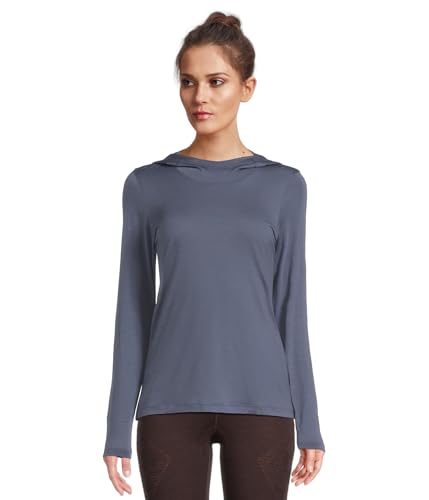
- Our regular fit is intended to help give you room to move without additional bulk
Best Mid-Range
REI Co-op Midweight Long-Sleeve Base Layer Top
Best Budget
32 Degrees Heat Women’s Lightweight Baselayer Crew Top
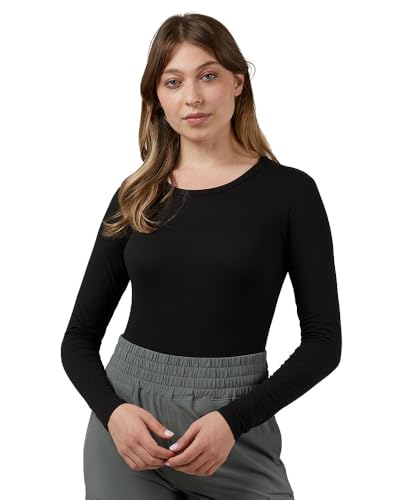
- Product Features: Fitted, Crew Neck, Moisture Wicking, Anti-Static, Anti-Odor, 4-Way Stretch, Anti-Pilling, 25.5″ Body Length (Size S), Tag-Free Label, Imported
Base Layer Top: Short Sleeve
Best Overall
Outdoor Research Women’s Echo T-Shirt: Amazon
This t-shirt is perfect for hitting the hiking trail in the warmer months.
It provides UV protection and odor control with a large selection of colors for the fashionista in you. It is also breathable, will dry fast, and weighs next to nothing, making it ideal as a backup in your pack.
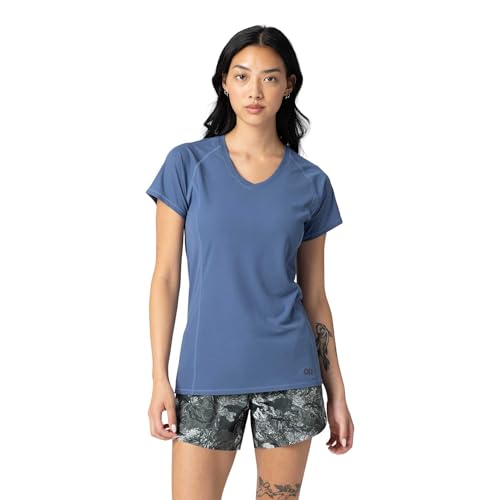
- Ultralight short-sleeve tee for running, hiking, and layering
Best Mid-Range
baleaf Short Sleeve Workout Top
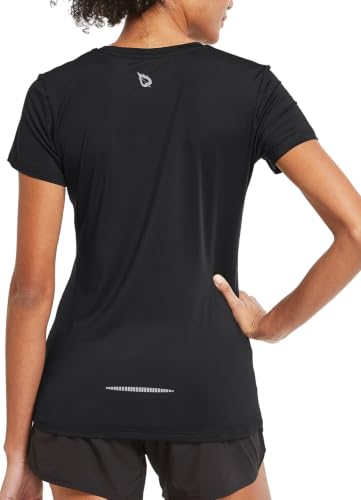
- Quick-dry 4-way-stretch fabric with superior breathability properties
Best Budget
PINSPARK Workout Top
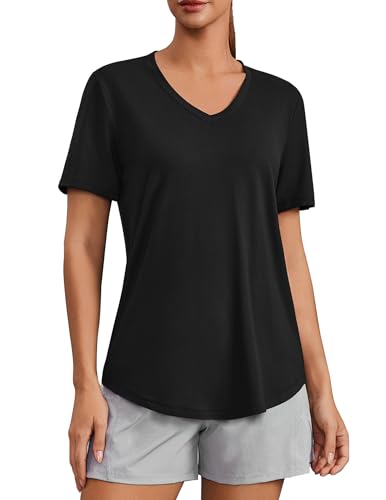
- Designed for workouts and daily wear. [Classic Fit, Hip Length]
Base Layer Bottom: Leggings
Picking the right bottoms comes down to personal preferences, your acclimation to the elements, and what feels best for your body.
For example, some people run hotter and prefer shorts even in colder temperatures, while others (like me) reach for leggings when there’s a chill in the air. There are great options for all genders, body types, and comfort levels.
Also, when choosing a bottom layer, consider if you’re likely to encounter poison ivy, brush, or bugs—if so, opt for longer pants.
When choosing a pair of leggings, look at what they’re made of. Both nylon and polyester are common and will serve you well in activewear leggings thanks to their moisture-wicking material and quick-drying properties.
Nylon tends to be stronger, more durable, and more abrasion-resistant, and it also traps heat—making it a great option for colder conditions (especially if you run cold, as I do). That said, it can feel too warm on hotter days.
Polyester, on the other hand, is typically lighter and dries a bit faster, making it a better choice for warmer weather or higher-output hikes.
Best Overall
Fjallraven Women’s Abisko Trekking Tights HD: Amazon | REI
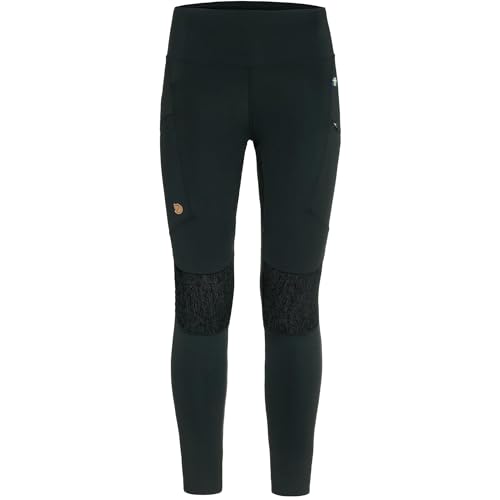
- Double-knitted stretch fabric in recycled polyester.
Best Mid-Range
Best Budget
Athleta Rainier High Rise Leggings
For years, I hiked in Athleta’s High Rise Metro Drifter Tights—they were lightweight and nylon-based, which made them moisture-wicking, quick-drying, and durable.
I continued to wear them on my thru-hike of the Appalachian Trail since they packed down easily and worked well in cold weather, since nylon traps heat to keep your legs warm.
When Athleta phased out the High Rise Metro Drifter Tights, I switched to the Rainier leggings, which I’ve found to be their closest trail-ready alternative.
They’re a bit warmer and my go-to for day hikes—ideal if you run cold. Unlike Metro Drifters, these are primarily polyester, but still deliver excellent moisture-wicking, quick-drying, and reliable trail comfort.
Base Layer Bottom: Shorts
If you prefer to hike in shorts and plan most of your hikes for warmer weather, I want to share a couple of my favorite shorts and why they worked best for me.
Best Overall & Budget
Dick’s Sporting Goods Women’s Stride Shorts
DSG Stride Shorts have been my absolute favorite! They are made of Polyester and Spandex, which wick moisture and keep me dry. I worried about the shorts not having a pocket, but keeping a fanny pack in front made it easy to go without a pocket.
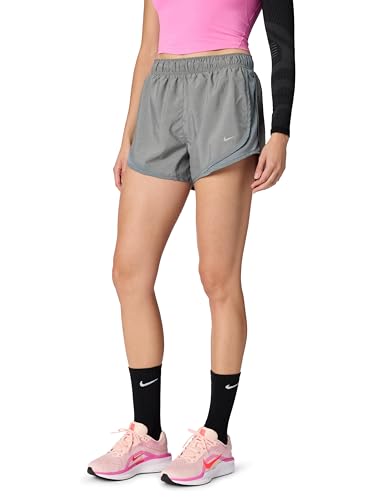
Nike Tempo Dri-Fit Shorts
These uber-popular Nike shorts were my backup pair and were perfect for both hiking and sleeping when the DSGs got too sweaty or rain-soaked.
Entirely polyester, these shorts are ultra-lightweight, dry rapidly, and provide comfort even in hot weather, making them reliable for both hiking and sleeping in warm conditions.

Best Mid-Range & Durable
And here are some solid, more durable shorts options as well:
Outdoor Research Women’s Ferrosi Shorts: Amazon | REI
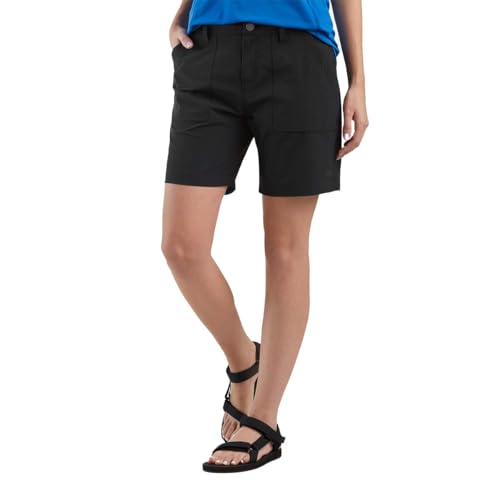
- QUICK DRY HIKING SHORTS FOR WOMEN: These Outdoor Research shorts are designed with features that make them perfect for climbing and multi-sport. The eco-friendly fabric of them provides improved stretch and recovery for multi-day use.
prAna Women’s Stretch Zion Cargo Short: Amazon | REI
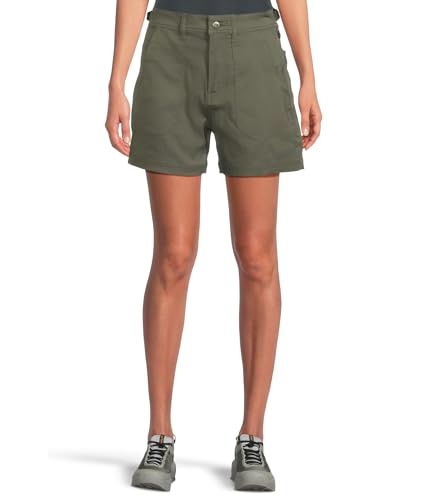
- The prAna Stretch Zion Cargo Short is your ultimate companion for warm summer days on the go or on the trail.
Mid-Layer: Fleece and Insulation for Cold Weather
Going back to the home foundation example, think of the mid-layer as your home’s insulation. Without it, heat would be escaping, and you would have a hard time regulating your internal temperature.
When your body is your heat source, not having the right mid-layer in cold weather could lead to hypothermia or at least a very miserable hike.
Fleece and down material are excellent choices in the mid-range. Both fabrics trap air, but they differ in weight, moisture management, and durability.

Mid-Layer Top
Choosing the right mid-layer can be tricky. It’s a balance between the base and the outer layer, and how your body will react.
Best Overall
Patagonia R1 Air Full-Zip Hoody
Best Mid-Range
THE NORTH FACE Women’s Glacier Fleece Quarter Zip Jacket | Pullover
After some trial and error, I landed on this mid-layer as fall temperatures started to drop. I hiked a lot of the Appalachian Trail in an older version of this pullover, and am a big fan!
This North Face option is lightweight, while still providing the warmth I crave. For a little style, this pullover comes in multiple colors.
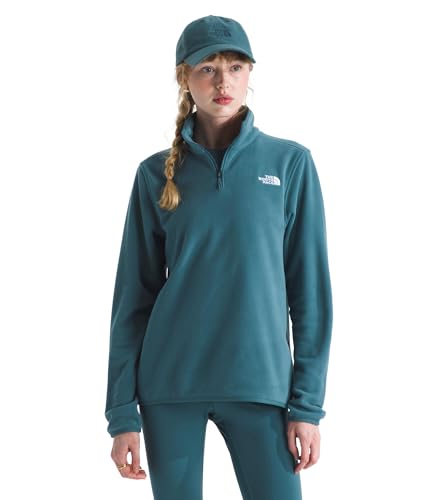
- EVERYDAY EXPLORER: The Women’s Glacier Fleece Quarter Zip Jacket is a microfleece classic that is an ideal layering piece to wear with a waterproof shell.
Best Budget
baleaf Thermal Quarter Zip Pullover
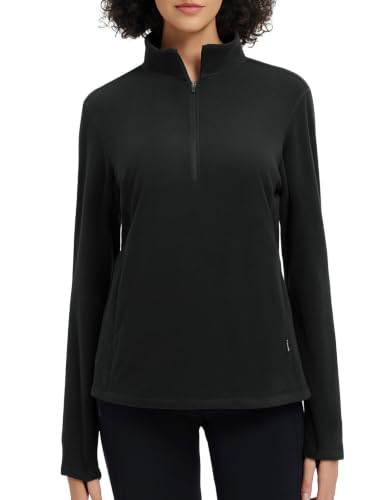
- Warm Fleece Lining: Soft 100% polyester, lightweight, and thermal fleece-lined with antistatic properties for exceptional comfort and cozy warmth in cold winter.
Outer Layers: Weather-Resistant Protection
The outer layer is like the roof on your home. Without it in changing weather conditions, you could get wet, sunburned, or very cold.
And while it is not encouraged to hike in a puffy because they generally aren’t breathable and can cause you to overheat, you’ll often still want to bring one along to protect you during hiking breaks and cold mornings.
You will want a lightweight, compressible jacket, also known as a puffy, that provides water- and wind-resistance to keep you warm and dry. The jacket should be made of synthetic or down material to prevent heat loss during periods of inactivity.
Choosing the right option is a balancing act between the elements you may encounter on your hike (will it be windy, cold, rainy, or all three) and how easily they can be stowed in your pack.
Outer Layer Top
Let’s jump into my picks.
Best Overall

Arc’teryx Atom Insulated Hoody: Amazon | REI
While some outer layers can be bulky and constraining, I found the Arc’teryx to be the perfect option when paired with a base and mid-layer in the colder months.
This jacket is breathable, wind- and moisture-resistant, fast-drying, and lightweight.
Also, I did hike in this at times. (But I must note once again that hiking in a puffy is not recommended. I run very cold and found it worked for me to hike in for short stints on super chilly mornings.)
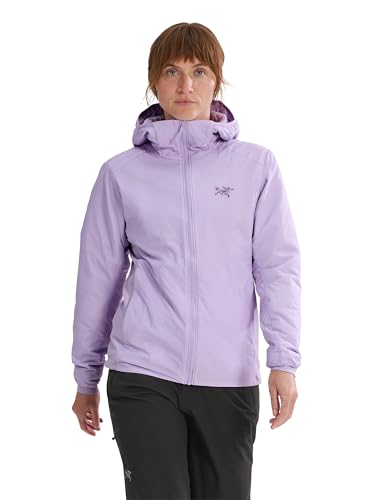
- Performance Insulation for All Conditions – This women’s light jacket features resilient Coreloft Compact 60 insulation, engineered to retain warmth even in wet conditions—perfect for chilly forest hikes with windy summits, climbing at the crag, hanging at the campsite, or wet winter objectives.
🗒️ (Also, many love Patagonia’s Nano Puff Insulated Hoody, which is priced similarly. I, however, personally found it very unflattering.)
Best Mid-Range
A mid-range alternative is the Torrid Jacket by Enlightened Equipment.
My husband owns this jacket, and I plan to try the women’s version on my next cold-weather camping trip because I steal his a lot on extra chilly evenings. It’s extremely lightweight and the warmest jacket I’ve worn!

Best Budget
What to Wear Hiking in Summer: Light, Breathable Fabrics for Warm Weather
When deciding what to wear for summer hiking, focus on loose-fitting, breathable, wicking fabrics, such as synthetic or merino wool. This will ensure that you remain cool and dry.
Summer Tops
For tops, opt for a lightweight synthetic that provides 50+ UPF protection and mesh-lined vents to increase airflow.
A long-sleeve, loose button-down is your best bet. There are plenty of options that include sun protection and convertible sleeves, such as this one:
Toumett UPF 50+ Long Sleeve UV Sun Protection Shirt

- Breathable and Fast Dry:Lightweight and quick dry quality polyester fabric wicks moisture away from body to keep you comfortable and dry all day.No worries about the soaking wet problem. Fabric surface is stain-resistance, easy to maintain.
And here’s a short-sleeve, simple, affordable, and synthetic option I’ve been hiking in for years:
Beautife Short Sleeve Shirt
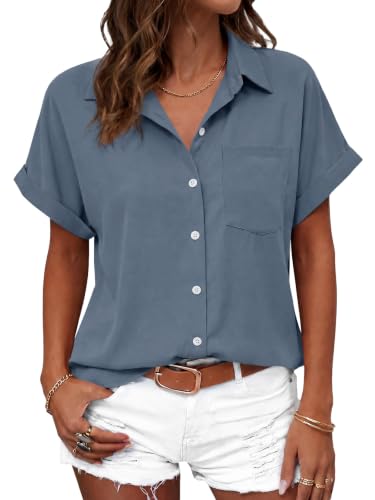
- Feature: Short Sleeve,V Neck, Solid Color, Front Pockets, Collar Shirt for women.
This is the top I am most often asked by others for a link to! 👆
Summer Bottoms
Your bottoms should be lightweight, loose-fitting shorts, like the DSG shorts I mentioned above.
But if you want added protection against the sun, bugs, and brush, opt for nylon hiking pants or leggings. This budget-friendly option will keep you moving and dry all day on the trail:
REI Trailmade Pull-On Pants – Women’s
What to Wear Hiking in Winter: Insulated Jackets and Thermal Accessories
Deciding what to wear for winter hiking requires extra planning, or you will pay the price. You can still choose stylish options without looking like Randy in that red snowsuit from A Christmas Story. He couldn’t even put his arms down!
While Randy was overprepared and downright miserable, you don’t have to be. The goal is to remain dry and warm to prevent hypothermia.
Winter Tops
In winter, your base layer should be wool and include “thermal” in its name to be prepared for the coldest months.
Choose a heavyweight wool with a GSM (grams per square meter) of 250 or higher. (In comparison, base layer wool is typically between 100 and 150.)
Best Winter Long Sleeve Base Layer Top
Women’s Smartwool Classic Thermal Merino Base Layer Top: Amazon | REI
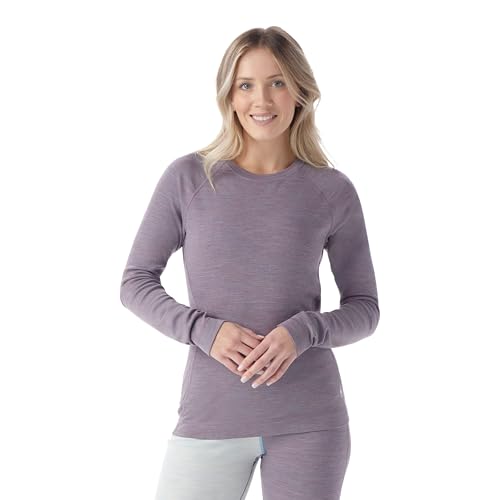
- Our slim fit is intended to follow the contours of the body. 100% Merino wool fabric made with an interlock knit for comfort, breathability, thermoregulation and odor resistance. Back body seam wraps to front. Raglan sleeves. Flatlock seam construction designed to help minimize chafing.
Best Winter Outer Layer
Your outer layer is the key to keeping you warm in the winter. The warmest insulation is down. Besides warmth, it is light, breathable, wind-resistant, and easily packable.
Arc’teryx Cerium Down Hoody – Women’s: Amazon | REI

- Cerium Hoody: Warm, versatile lightweight down hoody
Winter Bottoms
Now, let’s move on to your bottoms and accessories.
Fleece-lined or wool leggings make the best base layer for keeping you warm and dry. Look for options with a wide waistband and full length to prevent discomfort.
Best Winter Leggings Base Layer Bottom
Women’s Smartwool Classic Thermal Merino Base Layer Top: Amazon | REI

- COLD WEATHER BASE LAYER. With a fit that improves functionality while enhancing aesthetics for a range of body shapes, comfort is never in question. Get yourself a pair or two of our best base layer pants and conquer the cold with more confidence.
Budget Winter Leggings Base Layer Bottom
baleaf Thermal Leggings
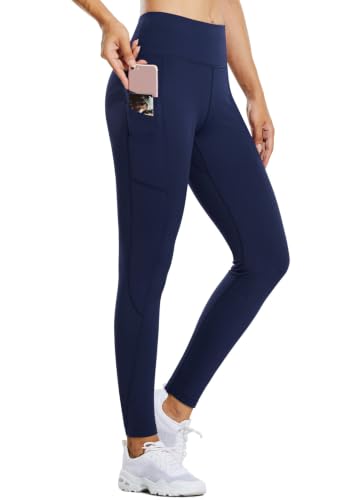
- Warm & Water Resistant: The fleece lined leggings women is made of soft fleece inner layer traps heat to keep you warm & comfortable, perfect for cold days under 40°F. Water resistant fabric can handle light rain for a short time or keep dry on snowy days and provide wind protection.
Shell
If it’s rainy, snowy, or windy, you’ll want to choose another bottom layer as a shell. These affordable waterproof shell pants are lightweight, easy to store in your pack, and will keep your legs warm and dry.
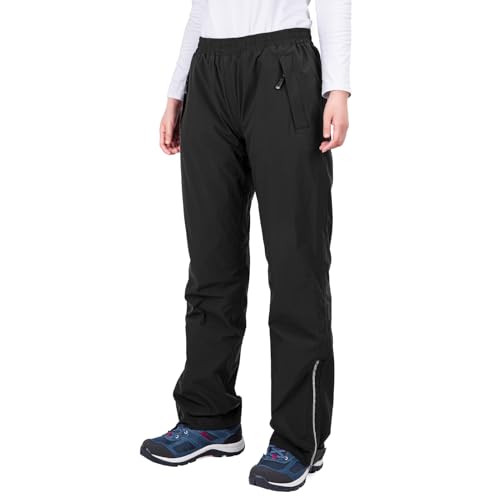
- Comfortable: This waterproof shell pants women are made of mesh lining improving breathability by allowing air to circulate through your clothing; Breathability rating: 5000g/m2/24hr.
Beanies
In the winter, a hat is an essential element for protecting against the cold and wind while helping you retain body heat. Opt for merino wool fabric. It will also help with odor resistance, UV protection, and moisture. Here is my favorite:
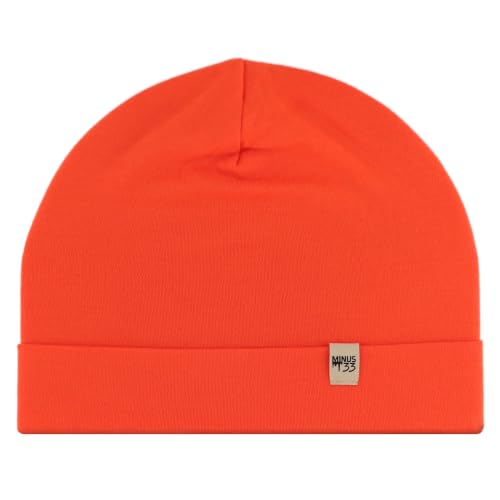
- QUALITY LIGHTWEIGHT PACKABLE BEANIE: 100% Merino Wool is super soft and extremely comfortable. One-Size fits most with a head circumference between 17-25 inches. The best in easy care technology means your merino wool is machine washable and dryable. Comfort, warmth, and breathability make this hat an essential part of your outdoor gear. Double fabric for warmth. Simple yet stylish.
Gloves
Will you be scrambling on rocks or just need to preserve warmth and dexterity? These are some of the questions you should ask before choosing the right type of gloves for your winter trek.
Look for wool, synthetic, or fleece options to help you stay warm and dry. Here’s a great option that works for me. They come in various colors.
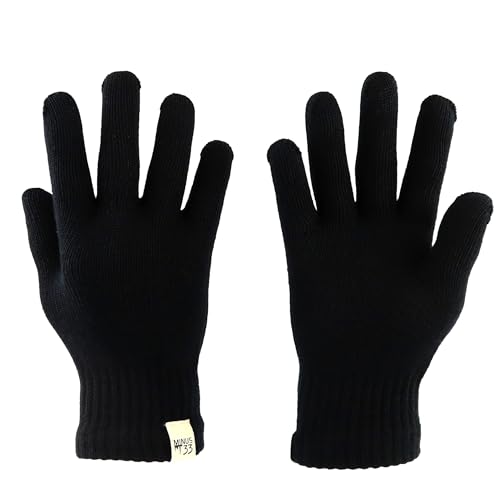
- QUALITY MERINO WOOL GLOVE LINERS: 85% Merino Wool. Warm and comfortable. Machine washable and dryable. Add these merino wool glove liners underneath your favorite work or outdoor gloves and feel the difference. Sizes S – XL 85% merino wool for superior warmth. 10% Stretch Nylon and 5% Elastic gives better durability and comfortable fit. Use by themselves on mild days or combine them with your favorite gloves for your next cold weather adventure.
If the temps are frigid and/or wet, layering gloves is a great choice. Pairing a thin softshell glove, such as the one above, with a thicker, water-resistant top layer gives added protection when you need it.
Spring and Autumn: Transitional Pieces for Changeable Conditions
Spring and autumn hiking bring the added challenge of changing temperatures and conditions, so plan ahead with rain gear and other hiking accessories.
Rain Gear: Jacket
A lightweight, hooded, waterproof, and windproof jacket (available in a multitude of colors) should be easily accessible when hiking in the rain. I recommend one with a cinchable hood and a hem that is below the waist. It’s an added bonus if there are pit zips for those strenuous uphills.
Also, keep a brimmed waterproof cap available to keep the water off your face.
Best Overall
Rab Women’s Downpour Eco
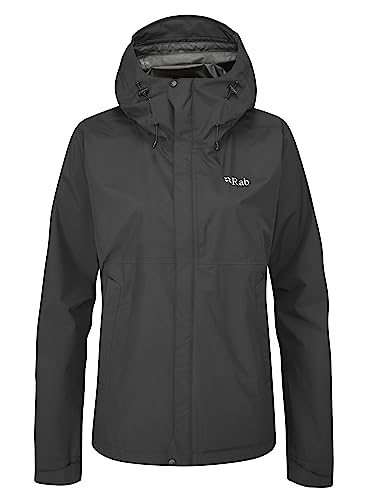
- Non-helmet compatible hood with a flexible polymer peak. Front and rear hood adjustment
Best Mid-Range (& Lightweight)

FROGG TOGGS Xtreme Lite Rain Jacket

- Made with Frogg Toggs breathable, waterproof, wind-resistant, and lightweight material
Best Budget
FROGG TOGGS Ultra-Lite2 Rain Jacket

- WATERPROOF – Made with frogg toggs breathable, non-woven fabric that is waterproof, wind resistant, and extremely lightweight. Perfect for light use when reliable waterproof protection is necessary
Rain Gear: Pants
If your hiking pants are not waterproof, I recommend throwing in a pair of rain pants that fit over them.
- Comfortable: This waterproof shell pants women are made of mesh lining improving breathability by allowing air to circulate through your clothing; Breathability rating: 5000g/m2/24hr.
Zippered Hiking Pants
On those days when it’s cold in the morning, but the temperatures are gonna rise, zippered hiking pants are a great option. Shed the bottom layers, and you’ll feel cooler in no time.
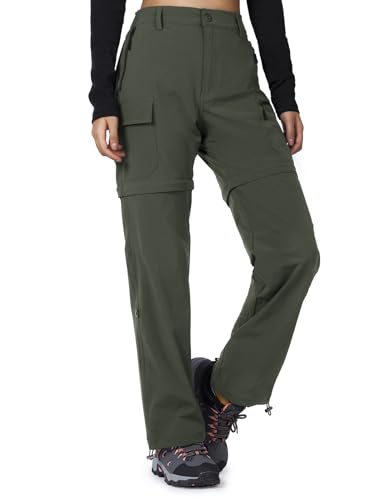
- Gets iconic by Stylish design, Cycorld hiking pants for women have 3 ways to wear,offering convenient and relaxed style.
Footwear: Choosing the Right Boots, Shoes, or Sandals
This will be the most important decision when it comes to what to wear hiking. You can’t forsake comfort for fashion.
I struggled the most with my footwear choices while hiking the Appalachian Trail. What worked for short-term trails for me didn’t fit the bill for month after month of nonstop hiking across changing terrain and conditions.
The rule of thumb is to go up half a size from your everyday shoe size. This will allow for foot swelling in the afternoons.
Also, if you are new to hiking, invest in shoes or boots with a good return policy, like REI. If you are like me and plan to be a long-term hiker, you will go through many options before finding the right fit in terms of comfort, support, and durability.
Types of Hiking Shoes and Boots
There are two main categories of hiking footwear: hiking boots and hiking shoes (also called trail runners). The best choice for you depends on the terrain, weather, and your personal preference.
Boots offer ankle support and protection, and shoes are lighter and more flexible.
Trail Runners
Trail runners (aka hiking shoes) are becoming increasingly preferred by avid hikers on longer, multi-day trails over hiking boots. They are chosen for their lightweight, breathable, and fast-drying properties.
I went through a multitude of trail runners on the AT. Ultimately, I loved the Topo Athletic brand because, for me, they had just the right amount of room, stability, and comfort.
Topo Athletic Women’s Traverse Shoe: Amazon | REI

- BUILT TO LAST – The Topo Athletic Women’s Traverse Shoes are designed to endure the toughest trails and extended hikes. These shoes will stand up to the challenge, giving you both comfort and performance in one versatile package
I go into a lot more detail on footwear in this post if you’re looking for more information on that front.
Boots
Before my thru-hike, I usually wore mid-height Keens.
A durable hiking boot provides ankle protection and stability, which will benefit you on rough terrain or when you need something sturdier.
Also, if you’re just day hiking, getting the boots wet and having them take a while to dry isn’t as big a concern as it is for those who hike for days at a time and need something fast-drying like a trail runner.
This mid-boot option features a breathable, waterproof membrane.
KEEN Women’s Targhee 4 Mid Boot: Amazon| REI

- WATERPROOF: KEEN.DRY waterproof breathable membrane keeps your feet dry and comfortable all day long by allowing vapor out without letting water in
Again, I go into much more detail on footwear in this post if you’re looking for more information on this topic.
Hiking Socks
This is where you can add some style to your hiking attire with an array of colors and design choices. Wool and synthetics once again make the best choices for material.
They should specifically say they are for hiking, so they are durable and fit you in the right areas. They usually come in no-show, ankle, crew, and full-length, depending on your preference.
I like the added protection of an ankle or crew. My favorite sock brand is Darn Tough Vermont Merino Wool for their lifetime guarantee and fun designs.
Darn Tough Socks: Amazon | REI

- Lightweight with Cushion – Light and strong with a thin layer of cushioning along base of foot. Our most versatile construction. True Seamless technology allows for an undetectable seam fusion for an ultra-smooth, invisible feel.
Accessories for Functionality and Flair
If you get cold easily, want to get the sun off your neck, or need to pull your hair back quickly, having a buff, aka a gaiter, on your hike is ideal. A buff serves multiple purposes and can be worn around your neck, on your head, or on your wrist, or left in your pack until you need it.
You can add a pop of color and style by choosing one that fits your personality.
Buff CoolNet UV Neck Gaiter: Amazon | REI | Backcountry | Buff
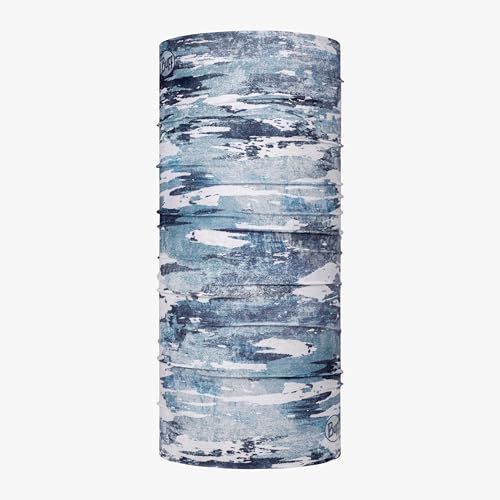
- Multi-Functional: Wear 12 different ways! Our CoolNet UV neck gaiters are made of 95% recycled polyester, with one size that easily and comfortably fits most adults. Perfect for running, biking, hiking, fishing, paddling, camping, and more
Sun Protection: Hats, Sunglasses, and UV-Protective Fabrics
Sun protection is crucial on the trail. Hats with wide brims or neck capes, sunglasses with UV protection, and clothing with built-in UPF ratings all help shield you from harmful rays.
Look for lightweight, breathable fabrics that cover exposed skin, and don’t forget sunscreen for any uncovered areas.
Hats
I touched on UV protection and insect-repellent tops in the summer hiking section. You can find these features on hats as well. I don’t know about you, but bugs flying in my face are my number one pet peeve while hiking. That’s why I love a hat with repellent included.
The hat’s brim will protect you from the sun and rain. There are multiple hat choices: lightweight, ventilated ball caps, visors, and bucket hats.
If you are worried about keeping the sun off your hair, I would opt for a bucket hat (aka a sun hat) or one of these sweat-wicking caps:
Outdoor Research Swift Cap: Amazon| REI
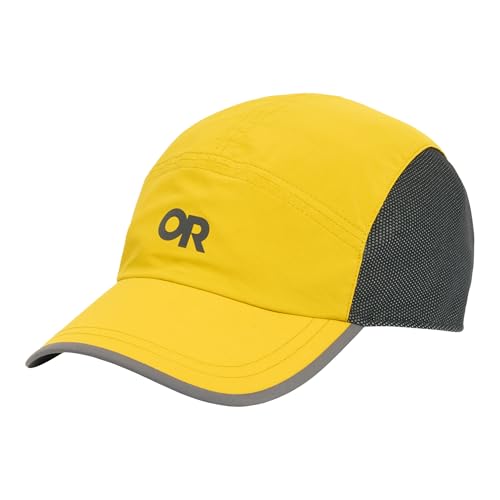
- Ultralight technical cap for running, hiking, and high-output pursuits
Sunglasses
A polarized pair of sunglasses is also essential to protect your eyes. I would recommend a cheap pair, as you may easily lose or scratch them.
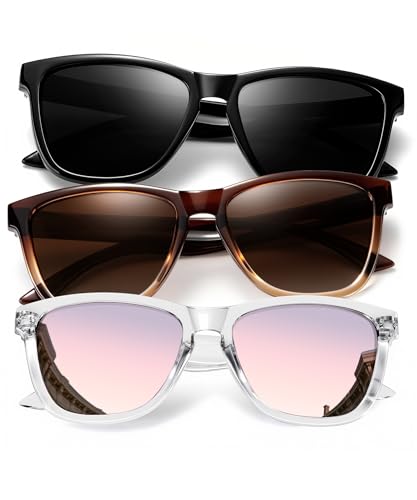
- ★ UV Protection & Clear Vision ▶ KALIYADI womens sunglasses polarized effectively eliminate reflected and scattered light, lenses can block full UVA, UVB, and UVC ultraviolet rays, protecting your eye health. HD lenses bring you a natural and clear field of vision,balancing color and contrast to restore the world’s true colors.
If you require prescription glasses, make sure they are attached to a strap and stored in a lightweight case.

- 【Adjustable Eyewear Retainer】: Pull the adjusting buckle to adjust the length of the glasses holder strap (adjustable expansion range: about 9-13.7in)(23-35cm). Before purchasing, we recommend measuring the distance from the ends of the temples around the back of the head when the wearer has glasses on, and then comparing it to the maximum and minimum adjustment ranges of this product.
Have fun with different styles to add some flair to your hiking wardrobe. I like to make it fun and wear different colored sunglasses.
Hydration Packs and Backpacks: Carry Essentials in Style
When looking at backpacks, capacity is measured in liters. This guide helps you determine what size you will need.
10-20 Liters – half-day hikes in the summer
20-30 Liters – full-day hikes with extra room for snacks and extra layers
30-40+ Liters – winter hikes or multi-day long-distance hiking
Besides the size, here are other factors to look for:
🎒 Pick a pack that includes a water reservoir because staying hydrated is a top priority while hiking.
🎒 A padded “trampoline-style” back panel keeps the pack off your back, improving ventilation and taking some of the weight off.
🎒 Hip belt pockets carry essentials such as a cell phone and lip balm.
🎒 Padded shoulder straps and a chest strap provide stabilization.
Hydration Packs
If you don’t need much room and just want to carry water for a few hours and a few other tiny things, a small hydration pack (10-20 liters) is perfect. These packs are lightweight, easy to carry, and typically have a built-in water reservoir and just enough space for snacks, keys, and your phone.
Osprey Skimmer 16L Pack – Women’s: Amazon | REI

- Reservoir Included – Comes with an Osprey Hydraulics LT 2.5 L reservoir, dedicated sleeve and sternum strap magnetic bite valve attachment. Hydraulics Quick Connect sold separately
That pack comes with a hydration reservoir, but if you’d like to use another pack and add a hydration reservoir, I highly recommend Osprey’s lineup:
Osprey Water Reservoirs: Amazon | REI

- Thumb-operated on/off lever is easier than ever to operate with one hand
I personally find these so much more enjoyable to use compared to reaching for a water bottle over and over again!
Day Packs
The size of a good daypack depends on how long you’re hiking and how much you like to carry.
A 20-30 L pack will work for most people heading out for a full day of adventure. You’ll be able to fit some layers, rain gear, water, and other essentials in easily.
Families trying to fit it all in one pack may want to go a bit bigger. Hikers who plan to carry a lot of water may also want to choose a larger pack. And those looking for something to just get them by for an hour or two may want to pick something smaller.
Here are two great day pack options for your next adventure:
Osprey Tempest 22 Pack – Women’s: Amazon | REI

- LIGHTWEIGHT & VERSATILE DESIGN: This lightweight 22-liter hiking backpack is built for full-day hikes, biking and travel. It features a fine-tuned design for dynamic movement in all environments and a low-profile fit.
Osprey Mira 32 Hydration Pack – Women’s: Amazon | REI
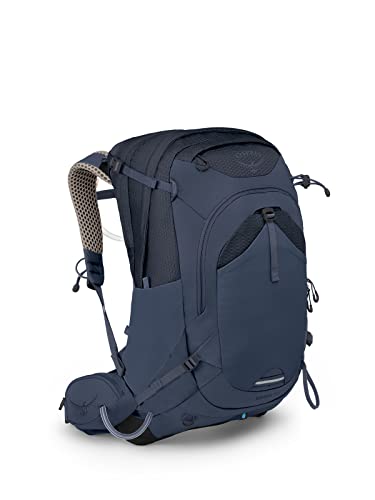
- Reservoir Included – Comes with an Osprey Hydraulics LT 2.5 L reservoir, dedicated sleeve and sternum strap magnetic bite valve attachment
Backpacks

After trying many lighter-weight frameless packs, here’s my favorite long-distance hiking internal-frame backpack. Click here for more information about how I chose this pack for my AT thru-hike.
Osprey Aura AG 65L Women’s Backpacking Backpack: Amazon | REI

- Curved zip access on one side of panel
Styling Tips: Merging Function with Fashion on the Trail

After considering the practical aspects of what to wear while hiking, add your own style and flair to your hiking attire. I’ve woven a few tips along the way, but let’s dig deeper into ways to be fashionable on the trail.
👚 Matching activewear sets.
🧢 Stylish hats, sunglasses, or buffs that match your personality and add a pop of color.
👗 Hiking skirts (with sewn-in shorts) exude a feminine look.
🧦 Sassy socks can make a statement.
Hiking Outfit Checklist
Start here when planning your hike:
👕 Clothing Layers
☐ Moisture-wicking base layer (top)
☐ Base layer bottom (leggings, shorts, or pants)
☐ Mid-layer (fleece or insulation, if needed)
☐ Outer layer (rain jacket or insulated jacket)
👟 Footwear
☐ Hiking shoes or boots
☐ Moisture-wicking socks (wool or synthetic)
🧢 Accessories
☐ Hat (sun or cold protection)
☐ Sunglasses
☐ Buff / neck gaiter (optional)
☐ Gloves (cold weather)
☐ Beanie (cold weather)
🌦️ Weather Add-ons
☐ Rain jacket
☐ Rain pants (if needed)
☐ Extra layer for warmth
🎒 Nice-to-Have Extras
☐ Extra socks
☐ Hair ties / headband
☐ Lightweight camp or backup clothing
FAQs about What to Wear Hiking
What clothing should you wear on a hike?
When hiking, wear moisture-wicking base layers, comfortable, weather-appropriate bottoms, insulating mid-layers if needed, and a weatherproof outer layer.
Choose sturdy footwear, sun protection, and accessories for your needs. Focus on comfort, function, and the day’s forecast.
What is the 3-layer rule for hiking?
The 3-layer rule is a simple system for dressing in layers: a moisture-wicking base layer, an insulating mid-layer, and a weatherproof outer layer. This allows you to adjust as conditions change, staying dry, warm, and comfortable.
Is it better to hike in jeans or leggings?
Leggings are usually a better choice than denim jeans for hiking. They wick moisture, dry quickly, stretch with your movement, and prevent chafing. Jeans absorb sweat, dry slowly, and can cause discomfort, especially on longer hikes.
What are the 10 essentials for day hiking?
For day hiking, the 10 essentials are: navigation (map/compass, or GPS), sun protection, extra clothing, headlamp/flashlight, first-aid kit, fire starter, repair kit/tools, food, water, and emergency shelter. These items help you stay safe and prepared for unexpected situations.
What to wear hiking in spring?
In spring, dress in moisture-wicking layers you can add or shed as temperatures change. Include a lightweight rain jacket, hiking pants or leggings, and comfortable, sturdy shoes. Be prepared for rain, mud, and chilly mornings.
What to wear hiking in summer?
For a summer hike, wear lightweight, breathable, and moisture-wicking clothing. Opt for shorts or hiking pants, a sun-protective shirt or t-shirt, a wide-brimmed hat, and sunglasses. Don’t forget sunscreen and a hydration system.
What to wear hiking in autumn?
For autumn hiking, layer up with a base layer that is moisture-wicking, an insulating mid-layer, and a waterproof or windproof outer layer. Choose long pants, bring a hat and gloves for chilly starts, and be ready for cooler temps and variable weather.
What to wear hiking in winter?
In winter, wear a wool or thermal base layer, an insulating fleece or down mid-layer, and a waterproof, windproof outer shell. Add insulated pants, wool socks, gloves, a beanie, and waterproof boots for warmth and protection.
What to wear when hiking in the cold?
For cold-weather hiking, prioritize thermal base layers, insulated mid-layers, and a weatherproof outer shell. Don’t forget warm socks, gloves, a hat, and insulated footwear. Layering is how you stay warm without overheating.
How to choose a sustainable hiking kit?
To build a sustainable hiking kit, choose clothing and gear made from recycled or responsibly sourced materials, and buy durable items that will last many seasons. Repair gear when possible, and avoid fast fashion. Look for brands with environmental certifications and transparent supply chains.
Wrap Up: What to Wear Hiking for Women (A Simple Planning Guide)
By now, you should have a good sense of what to wear hiking in every season and under any conditions, regardless of your experience, body type, or hiking ambitions. You can keep your choices practical and simple, or you can jazz them up with color and personality.
There’s no one-size-fits-all answer—just what makes you feel comfortable, confident, and ready for the trail. You don’t have to sacrifice fashion just because you are getting sweaty.
You May Also Enjoy:
👉 Best Appalachian Trail Shoes for Long-Distance Hiking
👉 Hiking for Beginners 101: A Clear-Cut Guide for Newbies
👉 Packing for a Thru-Hike: How I Chose My Gear for Trail
👉 Appalachian Trail Packing List: A Complete Thru-Hiker Gear List Guide
